Creating concise guidance
Industrial Hydraulic Systems
Industrial hydraulic systems are the backbone of modern manufacturing, heavy industry, and large-scale processing—delivering controlled power, precision, and reliability in environments where electric or mechanical systems simply can’t compete. Hydraulics appear in everything from excavators to tractors, transport, agricultural, and industrial systems.
All sectors, including industrial systems, have their own unique characteristics, design priorities, circuit designs and concepts, different but similar components, and performance expectations. At the same time, there’s a surprising amount of crossover with mobile, transport, and agricultural hydraulics, and understanding these similarities helps technicians work confidently across sectors. This also helps designers create smarter, more specific, and often more cost-conscious solutions. At Statewide, we understand all these sectors, particularly industrial hydraulics.
What Defines an Industrial Hydraulic System
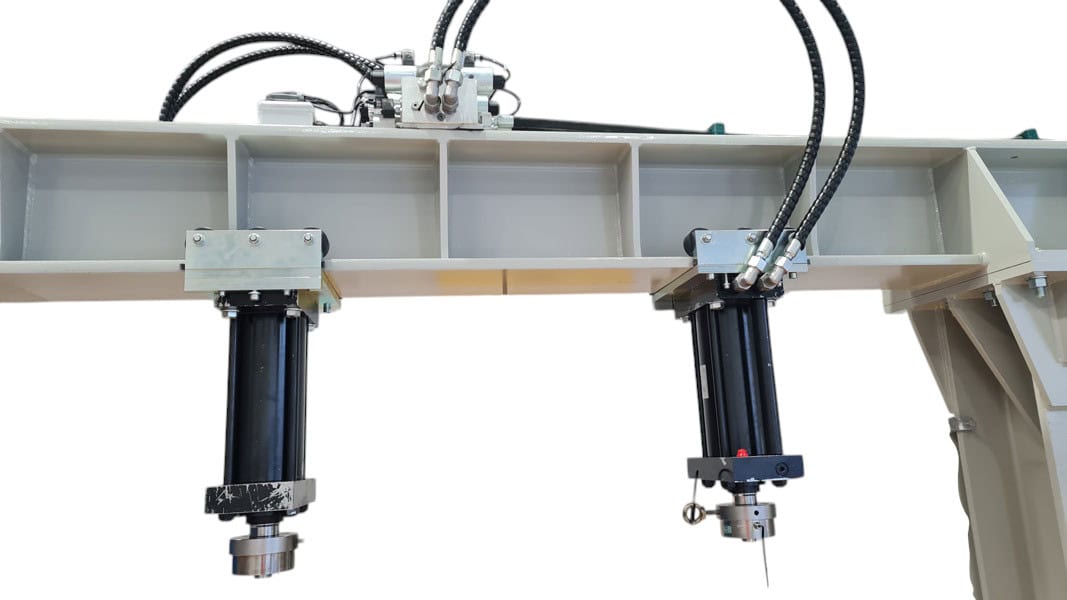
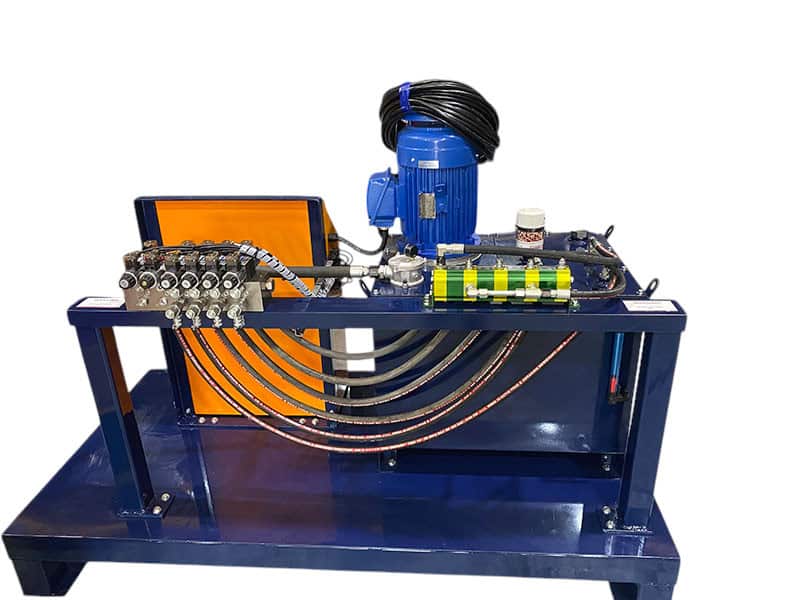
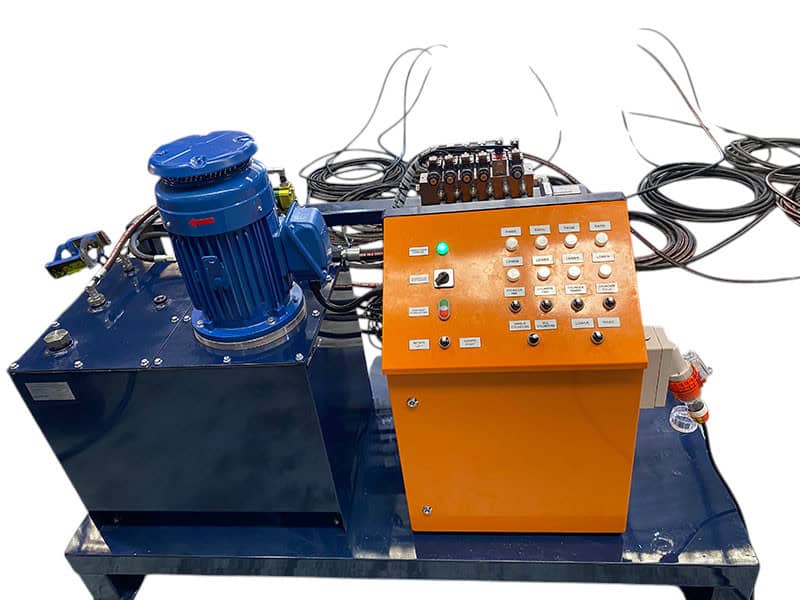
Industrial hydraulics are typically found in factories, processing plants, recycling facilities, steelworks, injection moulding operations, food production and automated manufacturing lines. These systems are usually:
- Stationary, mounted to fixed machinery
- Usually powered by electric motors
- High duty cycle, running continuously for long periods
- Precision-focused, delivering repeatable pressure and flow
- Clean and controlled, often operating in filtered, temperature-managed environments
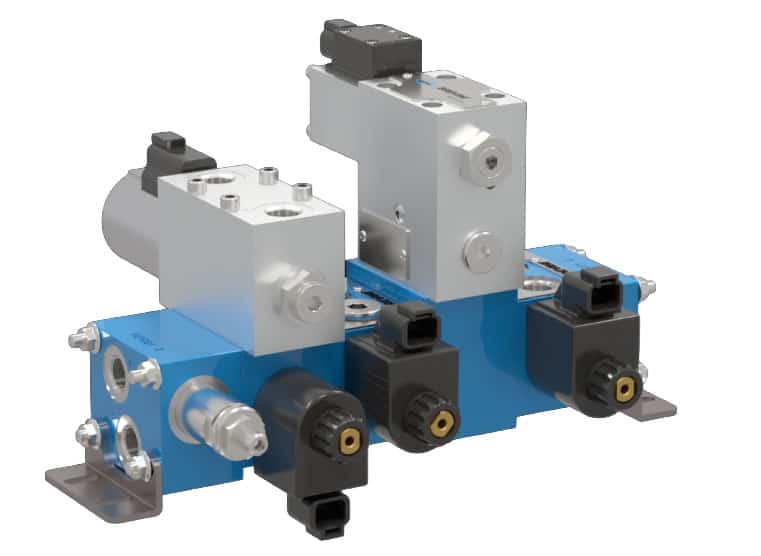
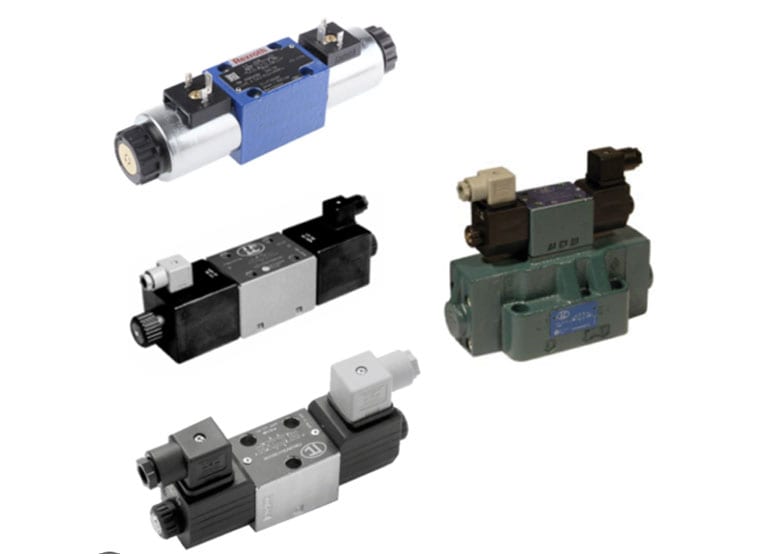
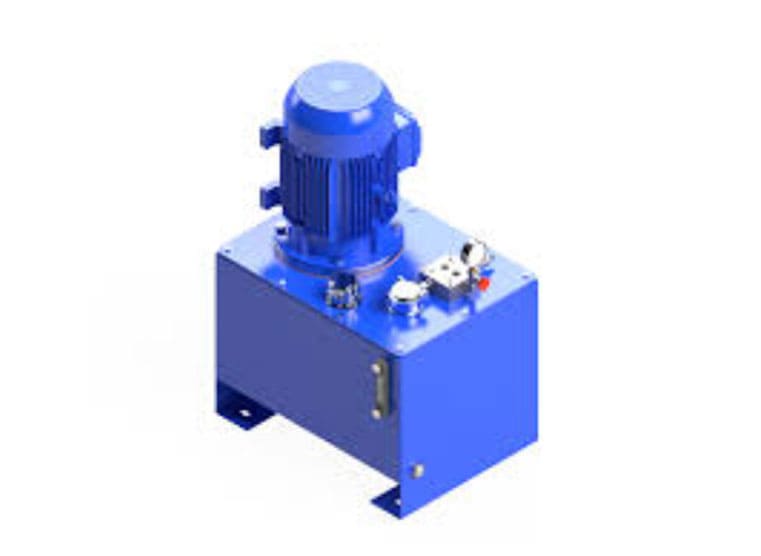
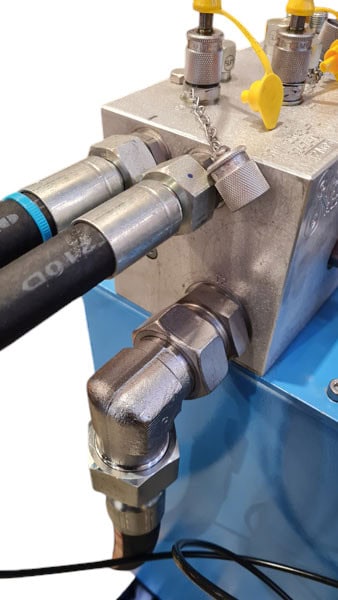
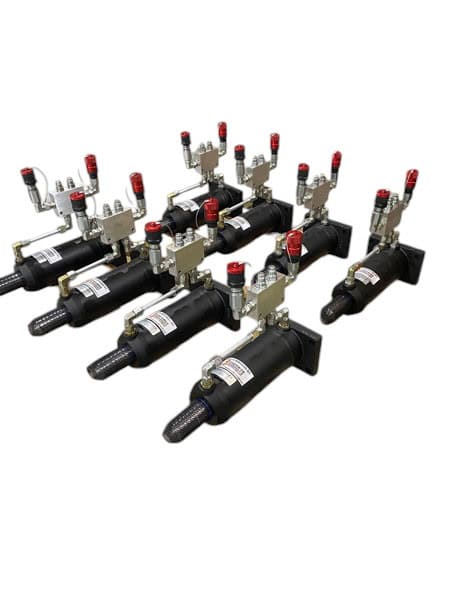
Industrial systems rely heavily on power units, manifold blocks, servo and proportional valves, high-accuracy filtration, and closed-loop control. They’re engineered for efficiency, long service life, and tight tolerances.
Similarities With Mobile, Transport, and Agricultural Hydraulics
Despite the different environments, the fundamentals remain the same:
- Pressure and flow still determine force and speed
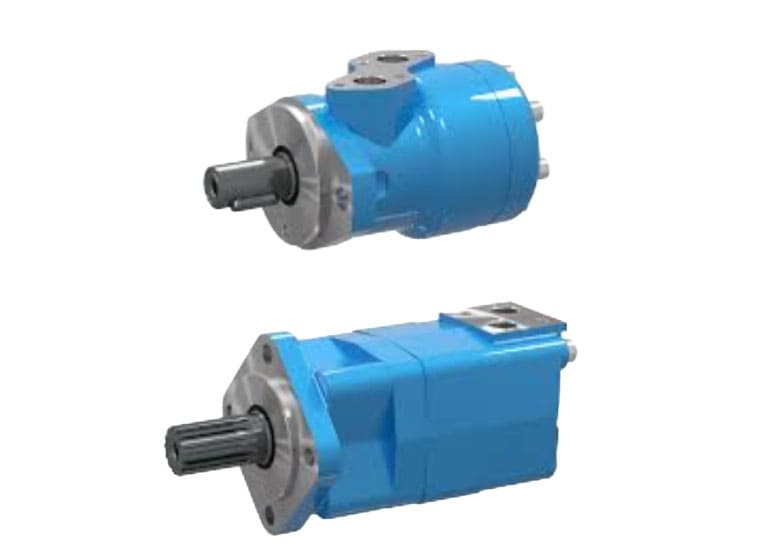
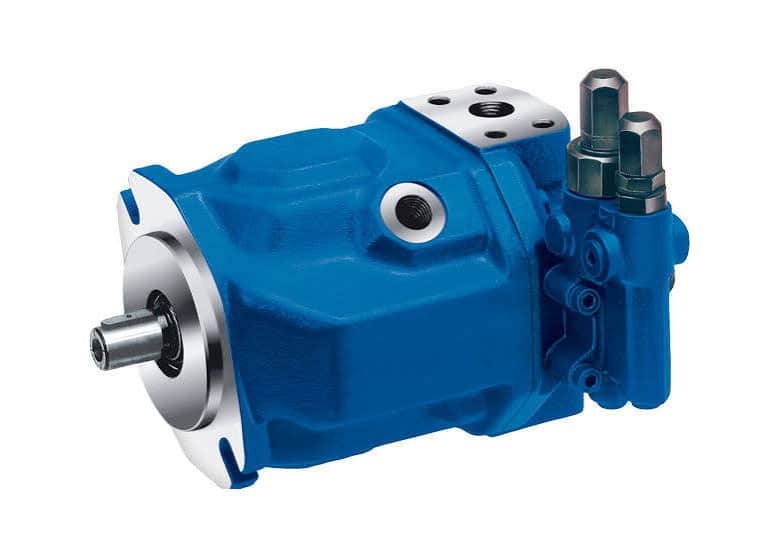
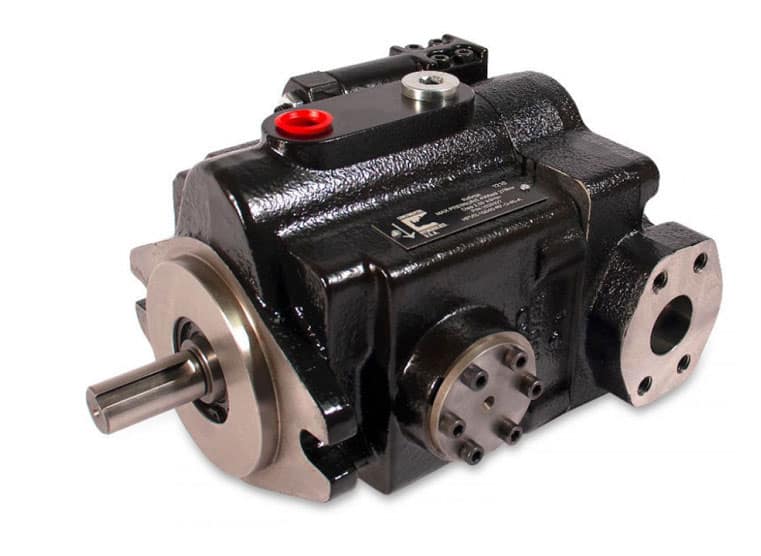
- Pumps, valves, cylinders, motors, and accumulators work on identical principles
- Contamination control is critical everywhere
- Diagnostics rely on flow meters, pressure gauges, and circuit interpretation
A technician who understands hydraulic theory can apply that knowledge across all sectors. The physics doesn’t change—only the application, some specific components, and how they are applied changes.
Key Differences Across Sectors
Where industrial systems prioritise precision and continuous operation, mobile and agricultural systems focus on durability, flexibility, and performance in harsh conditions.
- Mobile hydraulics (excavators, cranes, trucks) deal with vibration, shock loads, variable RPM, and constantly changing duty cycles.
- Transport hydraulics (tail lift systems, truck cranes, waste vehicles) emphasise compact design, reliability, and ease of field service.
- Agricultural hydraulics (tractors, harvesters, sprayers) must tolerate dust, mud, temperature extremes, and long periods of intermittent use.
Industrial systems often use servo valves, proportional control, and PLC integration, while mobile and agricultural systems rely more on load-sensing systems, gear pumps, and robust mechanical components.
The Crossover Advantage
Technicians who understand both industrial and mobile hydraulics bring enormous value. They can diagnose complex faults, interpret circuit drawings, and apply structured troubleshooting regardless of the machine. Many principles—flow testing, pressure setting, contamination control, and component behaviour—translate directly between sectors.
Hydraulics is hydraulics. The environment changes, but the science stays the same.